A Day in the Life of a Carnivore Keeper: Is This Job as Dangerous as It Seems?
Senior carnivore keeper Aimee Hill spends her days working alongside some of the world's most dangerous animals at Woburn Safari Park. From feeding lions and managing escape drills to dealing with the emotional challenges of animal welfare, she reveals what life is really like behind the scenes of a safari park.
- By
- Charlotte Toller
- For
- BA Journalism, University of Roehampton
- Achievement
- First-class mark
Article
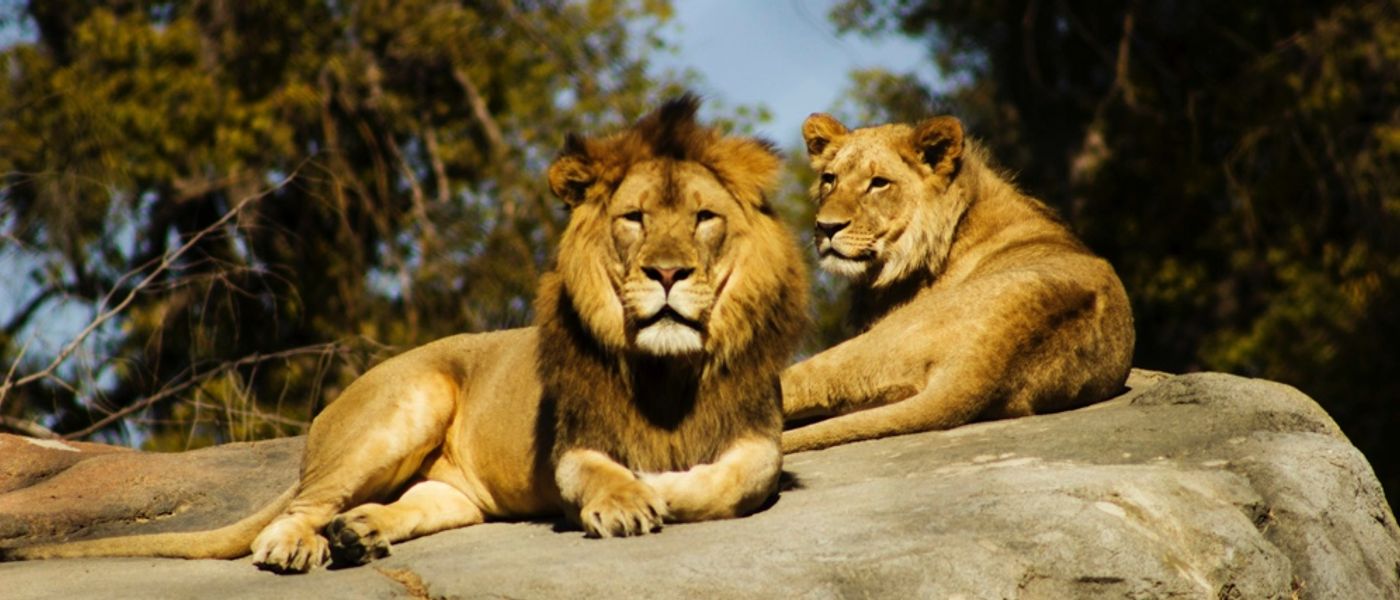
When people are competing with her about who has the most interesting job, Aimee Hill wins hands down; “Someone else is in a stressful meeting or crying over emails and I’ve just fed eight lions. The bragging rights are just insane when you get to tell people what you do for a living.”
Senior carnivore keepers specialise in the most dangerous animals you could find at a zoo. One morning Aimee may be looking after Siberian tigers or North American black bears, then after lunch, wolves, or African Lions, all part of her role at Woburn Safari Park, the drive-through safari park in Bedfordshire parkland. It is a job that requires a wealth of experience with animals and a lot of training, including shadowing other keepers before you can do it by yourself.
Aimee’s day begins by prepping the animal’s food, which ranges from meat, to fruit, to peanuts and dog biscuits. Then she checks all the animals are present, the electric fences are working and gets on with cleaning, all before the Safari Park even opens, at 9:30am.
Once the gates are open, she patrols in a vehicle, watching not only the animal’s behaviour, but also the customers. Sometimes, people, “Take risks that aren’t necessary,” such as winding their windows down in the park. “They think I’m just ruining their day, but I know what the lions are capable of and it’s my job to keep everyone safe.”
She understands the risks of working with big, meat-eating animals and the importance of constant checks of fencing and electrics. “Once, we had a tree break a fence, but not enough for an animal to escape, and maintenance fixed it the same day. Some zoos have had bigger disasters, but we are lucky to not have had that situation occur, touch wood!” Aimee says she loves an escape drill. “It’s a member of staff in a high-vis jacket, running around pretending to be an animal. We have to call the right people and round them up to be rehoused safely.”
During the 7 years that she has worked at Woburn, Aimee has experienced some funny moments; “Once, as I was cleaning their water trough, a monkey sitting on my bonnet gave me a smack on the bum! In front of a long queue of cars that were watching, so that made me feel great!” She also loves the bears, “When they get their zoomies,” (a big, random burst of energy) “they run around doing rolly-pollies”
Sometimes zookeepers have to keep the peace. “Just how we would bicker with siblings or parents, arguments happen in the animal world too.” They can try to diffuse the situation but have to learn the right time to do so. Occasionally, “We let certain fights occur so they can establish the hierarchy, but if it’s getting too aggressive, we can guide them away with the truck.”
Although they generally live longer in zoos than in the wild, for Aimee, “The hardest part of working with animals is knowing that they won’t live as long as you. They are unpredictable and silly, but also affected by natural causes. Last year one of our youngest lionesses got a tumour in her mouth that we were trying to treat, but it became too much, and we had to make the call to put her to sleep, which was devastating.” Staff have access to counselling if they need it, “But we’re pretty good at just giving each other a hug.” They also must fill in welfare audits, about the condition of each individual animal, and have regular vet visits, “There’s so much more that goes into zoo-keeping that just picking up poo!”
But animals are still just as dangerous as in the wild, “A lot of people think we just cuddle the animals all day, I would love to give a lion a cuddle, but I would not make it out of that!” Aimee has done target training with them, “We can get them to open their mouths, and they’ll work for us. Being a drive-through means sometimes the public just see a group of sleeping lions and assume they are just big cats, so some people could be lulled into a false sense of security, thinking that they’re tame. They are not tame. I have seen lions go from flat-out sleeping to chasing pigeons within seconds.”
Whilst doing a degree in animal management, Aimee volunteered in a zoo alongside her studies, gaining valuable experience before even applying for a job. She started working with hoof stock at Woburn and worked her way up to Carnivores.
If you are eager to work with animals, Aimee suggests you volunteer as much as you can to gain confidence around them, consider a job in the zoo’s restaurant or gift shop and make connections. “My experience was with horses, but it taught me how to be comfortable around a big animal. My best advice is to be persistent and don’t give up. It’s a competitive industry but somewhere you will fall into the right thing.”